Source Chain Type Electric Conveying Oven for Bakery Restaurant Hotel
Find 30 verified chain type electric conveying oven options for commercial baking needs. Buyers can compare specifications like power, dimensions, and material grades to select the right equipment for bakery, restaurant, or hotel applications.
Key considerations
Products List


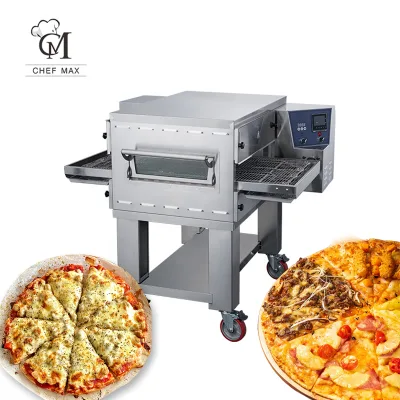
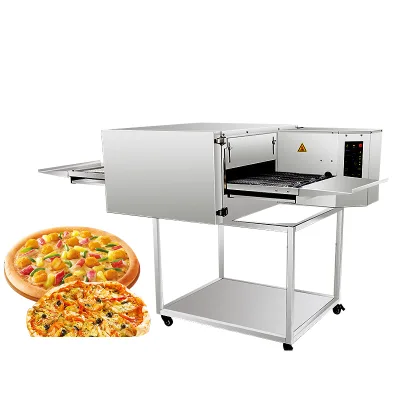


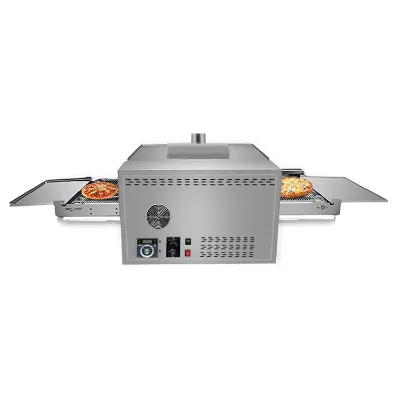


Comprehensive Sourcing Guide
Strategic Sourcing Guide for Chain Type Electric Conveying Ovens
The global demand for high-volume, consistent baking solutions has elevated the chain type electric conveying oven to a cornerstone of modern commercial food production. For procurement professionals in the bakery, restaurant, and hotel sectors, selecting the right unit requires a rigorous understanding of technical specifications, supply chain logistics, and operational efficiency. This guide provides a disciplined approach to sourcing these specialized appliances, focusing on the critical attributes observed in the current market, such as the JH-5000 model and various stainless steel configurations. Buyers must navigate a landscape where power sources, dimensions, and customization options vary significantly, necessitating a verification process grounded in factual product data rather than marketing claims.
Technical Specifications and Power Configuration
The foundation of any successful procurement decision lies in the precise alignment of technical specifications with the facility's infrastructure. The market for chain type electric conveying ovens presents a diverse array of power requirements, which is a primary variable for buyers to address. Data indicates that while some units operate on standard 220V electrical systems, others are engineered for 380V industrial inputs, with some models offering fully customized voltage options to match local grid standards. The power consumption for these units can be substantial, with observed wattage ratings reaching 17,000W for high-capacity models, while others operate at 10kW. This variance directly impacts the electrical infrastructure required in the kitchen, including circuit breaker sizing and wiring gauge.
Furthermore, the physical dimensions of the oven are critical for spatial planning. Observed specifications for conveyor ovens include dimensions such as 1985mm in length, 1015mm in width, and 450mm in height, though other models may differ. The internal mechanism typically utilizes a stainless steel construction, often specified as "Stainless Steel Food Grade," to ensure durability and hygiene compliance. The weight of these units is also a logistical factor; for instance, specific models are recorded at approximately 115 KG, which influences floor loading requirements and the need for specialized lifting equipment during installation. Buyers must verify the exact power source, whether it is purely electric or a hybrid configuration, as some listings suggest "Gas" or "Electrical or Gas" capabilities, though the core keyword focuses on electric conveying systems.
Operational Capabilities and Functional Attributes
Beyond raw power and size, the functional attributes of the oven define its utility in a commercial setting. The primary application for these units is pizza production, with specific mentions of "speed pizza oven" capabilities. However, the versatility of these machines extends to broader bakery and food cooking applications. The presence of a timing device is a standard feature in high-end models, allowing for precise control over baking duration, which is essential for maintaining product consistency. The automation level is another key differentiator; many units are marketed with "Automatic" as a key selling point, suggesting features like conveyor speed control and temperature regulation that reduce manual intervention.
The functional scope also includes the ability to handle various product sizes. Listings reference compatibility with 12, 18, and 32-inch pizzas, indicating that the conveyor width and heating element arrangement are designed to accommodate standard commercial pizza dimensions. The "Multifunction" attribute suggests that these ovens may not be limited to a single baking mode, potentially offering zones for different temperatures or cooking stages. For buyers in the restaurant and canteen sectors, the "Suitable for" designation often includes a wide range of environments, from small bakeries to large hotel kitchens. The condition of the equipment is typically listed as "New," ensuring that buyers receive units with full operational life remaining, though verification of the manufacturing date is prudent for long-term equipment planning.
Material Integrity and Packaging Standards
The longevity and food safety compliance of a chain type electric conveying oven are heavily dependent on the materials used in its construction. The predominant material observed in the market is stainless steel, with specific references to "Stainless Steel Food Grade." This material choice is non-negotiable for commercial food equipment, as it resists corrosion, withstands high temperatures, and meets hygiene standards required by health inspectors. The structural integrity of the oven frame is equally important, with dimensions and weight data suggesting robust engineering capable of supporting the continuous motion of the conveyor chain under load.
Packaging is a critical, yet often overlooked, aspect of the procurement process. The shipping method for these heavy industrial units varies, with observed data indicating packaging in "Plywood Cases," "Wooden Boxes," or combinations of "Shrink Film + Wooden Box." The specific packing method, such as "Wodoen Case" (likely a variation of Wooden Case), impacts the safety of the unit during transit and the ease of unpacking at the destination. Buyers must ensure that the packaging is sufficient to protect the delicate electronic components and the precision-engineered conveyor chain from damage during long-haul shipping. The single package size is also a logistical consideration, with some specifications noting dimensions in centimeters that must be reconciled with container loading plans.
Compliance, Origin, and Supply Chain Verification
When sourcing industrial equipment, verifying the origin and compliance of the product is essential for risk management. The supply chain for these ovens is geographically diverse, with origins noted in Shanghai, Guangdong, and Henan, all within China. This concentration of manufacturing hubs suggests a mature supply chain, but it also requires buyers to perform due diligence on the specific factory's capabilities. The "place of origin" should be clearly stated on the commercial invoice and shipping documents to ensure accurate customs classification and duty assessment.
Regarding certifications and standards, while specific third-party certification marks are not universally listed in the provided data, buyers must verify that the equipment meets the electrical safety standards of their destination country. The "prod_standard" dimension of 15201000450mm for certain models serves as a reference for physical compliance, but electrical standards (such as CE, UL, or local equivalents) must be confirmed directly with the supplier. The "Customization" attribute is a significant factor here; some units are listed as "Customized" while others are "Non-Customized." Buyers seeking specific certifications or modifications must engage in a detailed specification discussion to ensure the final product aligns with local regulatory requirements. The "machinery capacity" being listed as "Customization" further highlights the flexibility of the supply chain, allowing for tailored solutions that may include specific voltage configurations or dimensional adjustments.
Cost Drivers and Total Cost of Ownership
The pricing landscape for chain type electric conveying ovens is characterized by a wide range, with observed values spanning from $2.5 to $45,000. This extreme variance is not indicative of quality differences alone but reflects the vast spectrum of product configurations, from small countertop units to massive industrial lines. The primary cost drivers include the power rating (e.g., 17,000W vs. 10kW), the material grade (standard stainless vs. food-grade), and the level of automation. Units with advanced timing devices, multifunction capabilities, and automatic controls will naturally command a higher price point.
Buyers must look beyond the initial purchase price to evaluate the Total Cost of Ownership (TCO). The energy efficiency of the oven, often highlighted as a "High Efficiency" advantage, directly impacts operational costs. A unit with superior insulation and precise temperature control will consume less electricity over its lifespan, offsetting a higher upfront cost. Additionally, the warranty terms, typically observed as a "1 Year" coverage, play a role in financial planning. The availability of "Online support" and "Video technical support" for after-warranty service can significantly reduce downtime costs, making a slightly more expensive unit with robust support services a more economical choice in the long run.
Supplier Evaluation and Quality Assurance
Selecting the right supplier is as critical as selecting the right machine. The market features various brand names, such as "CHEFMAX" and "Auris," each with its own reputation and service network. When evaluating suppliers, buyers should prioritize those who provide clear documentation regarding the "After-sales Service Provided." The availability of video technical support is a strong indicator of a supplier's commitment to resolving issues remotely, which is vital for minimizing operational disruptions.
Quality assurance should be a continuous process, not just a pre-purchase check. Buyers should request detailed test results or performance data for the specific model they intend to purchase, particularly regarding the consistency of the conveyor chain movement and the uniformity of heat distribution. The "condition" of the product being "New" is a baseline requirement, but verification of the manufacturing date and the integrity of the packaging upon delivery is necessary. Suppliers who offer "Customization" capabilities should be able to provide a clear timeline and specification sheet for the modified unit, ensuring that the final product meets the buyer's exact operational needs.
Long-Term Procurement and Maintenance Strategy
The procurement of a chain type electric conveying oven is a long-term investment that requires a strategic approach to maintenance and lifecycle management. The "1 Year" warranty is a standard starting point, but buyers should consider the availability of spare parts and the ease of repair. The "Stainless Steel Food Grade" construction ensures durability, but the mechanical components, such as the chain and motor, require regular maintenance to prevent failure.
Buyers should establish a maintenance schedule that includes cleaning, lubrication, and inspection of the heating elements. The "Multifunction" nature of these ovens means that different parts of the machine may wear at different rates, necessitating a comprehensive maintenance plan. The "Online support" and "Video technical support" offered by suppliers can be leveraged to train in-house staff on proper maintenance procedures, extending the lifespan of the equipment. Furthermore, the "Customization" aspect allows buyers to future-proof their investment by selecting units that can be adapted to new production needs or expanded capacity as the business grows. By focusing on these long-term considerations, buyers can ensure that their investment in a chain type electric conveying oven delivers consistent value and operational efficiency for years to come.
FAQs
What power sources are available for chain type electric conveying ovens?
These ovens primarily operate on electric power, with observed ratings of 17000W or 10kW. Some models support 220V or 380V inputs, while others offer customized voltage options to match local grid standards.
Can I find customized chain type electric conveying ovens for specific needs?
Yes, customization is available for many models, allowing adjustments to voltage and dimensions. Buyers can request specific configurations to align with their facility's infrastructure and production requirements.
What are the typical dimensions and weight of these ovens?
Observed dimensions include lengths around 1985mm and widths of 1015mm, with heights near 450mm. Specific models weigh approximately 115 KG, requiring robust floor loading and specialized lifting equipment for installation.
Which materials are used to construct chain type electric conveying ovens?
The primary construction material is stainless steel, often specified as food grade to ensure hygiene compliance. This material resists corrosion and withstands high temperatures required for commercial pizza and bakery production.
How is the after-sales service provided for these industrial ovens?
Suppliers typically offer online support and video technical assistance for after-warranty service. A standard warranty period of one year is common, ensuring buyers have access to remote troubleshooting and guidance.
What is the typical price range for chain type electric conveying ovens?
Prices vary significantly, ranging from 2.5 USD to 45000 USD depending on configuration. High-capacity units with advanced automation and higher wattage ratings generally command the upper end of this spectrum.
Where are these ovens typically manufactured and shipped from?
Manufacturing origins are concentrated in China, specifically in Shanghai, Guangdong, and Henan. Products are packed in plywood cases or wooden boxes to ensure safe transit of these heavy industrial units.